Home Services
Understanding Home Appliance Repair: An Informative Overview

1. Objective
The primary goal of this article is to provide an educational overview of home appliance repair. It seeks to define the concept, outline foundational principles, explore the core mechanisms and techniques involved, and present a comprehensive and neutral perspective on the field. Additionally, it aims to answer common questions to clarify practical and theoretical aspects of home appliance maintenance and repair.
2. Basic Concept Analysis
Home appliance repair refers to the process of diagnosing, restoring, and maintaining household devices that perform tasks such as cooking, cleaning, cooling, heating, and entertainment. Appliances can include:
- Refrigerators and freezers
- Washing machines and dryers
- Microwaves, ovens, and stoves
- Air conditioners and heaters
- Televisions, audio systems, and other electronic devices
The primary objective of repair is to ensure continued functionality, safety, and operational efficiency. The study of home appliance repair combines principles from electrical engineering, mechanical engineering, materials science, and user safety protocols. Key considerations include understanding device construction, component interactions, energy consumption, and potential hazards associated with malfunctioning appliances.
3. Core Mechanisms and In-Depth Explanation
Appliance repair generally involves diagnostic, restorative, and preventative mechanisms. These processes vary depending on the type of appliance and the nature of the issue.
3.1 Diagnostic Assessment
Accurate diagnosis is essential for effective repair. Common diagnostic steps include:
- Symptom Identification: Observing operational problems such as failure to start, unusual noises, leaks, or inconsistent performance.
- Component Testing: Using multimeters, circuit testers, and pressure gauges to evaluate electrical and mechanical parts.
- Failure Analysis: Determining root causes of malfunctions, including wear and tear, manufacturing defects, environmental stress, or improper use.
3.2 Mechanical and Electrical Repair Techniques
Repairs often involve restoring mechanical integrity or electrical functionality:
- Mechanical Repairs: Replacing worn gears, belts, pumps, or hinges; lubricating moving parts; correcting alignment issues.
- Electrical Repairs: Replacing damaged wiring, fuses, switches, or circuit boards; testing continuity; ensuring safe voltage regulation.
- Control System Adjustment: Modern appliances frequently have microcontrollers or digital interfaces, which may require software resets or sensor calibration.
3.3 Surface and Functional Restoration
Surface and functional maintenance ensures appliances operate efficiently and safely:
- Cleaning and Decontamination: Removing dust, debris, and residue that can impede mechanical parts or electrical contacts.
- Component Conditioning: Applying appropriate lubricants or thermal compounds for heat dissipation and reduced friction.
- Aesthetic Maintenance: Maintaining external surfaces through safe cleaning methods to prevent deterioration and extend service life.
3.4 Preventative Measures
Preventative maintenance aims to reduce future malfunctions:
- Scheduling regular inspection of critical components
- Maintaining proper usage conditions, such as avoiding overloading or overheating
- Ensuring stable power supply to prevent electrical damage
Preventative strategies are integral to prolonging appliance lifespan and maintaining operational safety.
4. Comprehensive Overview and Objective Discussion
Home appliance repair can be analyzed through multiple dimensions:
- Device Type and Complexity: Simple mechanical appliances like manual mixers differ from advanced electronic devices such as smart refrigerators, requiring distinct diagnostic and repair approaches.
- Skill Requirements: Technicians must understand electronics, mechanics, safety standards, and operational procedures. Courses and training programs provide structured instruction in these areas.
- Safety Considerations: Repairing electrical appliances entails potential hazards, including electric shock, fire, or chemical exposure. Proper safety protocols are critical.
- Economic and Environmental Context: Appliance repair contributes to resource conservation by extending device lifespan, reducing waste, and promoting sustainable consumption.
- Industry Standards: Repair practices are guided by safety regulations, electrical codes, and manufacturer guidelines to ensure safe and effective outcomes.
The field also reflects technological trends. As appliances become more integrated with smart technology, repair processes increasingly involve software diagnostics, sensor calibration, and electronic component replacement.
5. Summary and Future Outlook
Home appliance repair encompasses diagnostic assessment, mechanical and electrical restoration, surface and functional maintenance, and preventative measures. It integrates technical knowledge, material understanding, and safety awareness. Looking forward, advances in appliance design, digital interfaces, and materials science are likely to influence repair methodologies. Future repair practices may involve more automated diagnostics, predictive maintenance, and environmentally sustainable techniques.
6. Questions and Answers
Q1: What are the most commonly repaired home appliances?
Refrigerators, washing machines, ovens, air conditioners, and electronic entertainment devices are frequently serviced due to mechanical wear or electronic malfunctions.
Q2: What skills are essential for home appliance repair?
Critical skills include electrical testing, mechanical troubleshooting, component replacement, understanding appliance construction, and following safety protocols.
Q3: How does home appliance repair support sustainability?
Repairing appliances reduces electronic and material waste, extends service life, and minimizes the environmental impact associated with producing new devices.
Q4: Are there standardized methods for repairing appliances?
While specific methods vary by appliance type, repair protocols generally include diagnosis, mechanical or electrical restoration, and preventative maintenance guided by safety standards.
Q5: What tools and materials are commonly used in repairs?
Tools include multimeters, screwdrivers, pliers, thermal testers, and diagnostic software. Materials may include wiring, fuses, lubricants, replacement parts, and cleaning agents.
References
https://www.energy.gov/energysaver/maintaining-appliances
https://www.cnet.com/home/kitchen-and-household/how-to-repair-home-appliances/
https://www.howstuffworks.com/home-appliances-repair.htm
https://www.consumerreports.org/cro/appliances/buying-guide/index.htm
https://www.nrdc.org/stories/appliance-energy-efficiency

Talent agent for actors, voice-over artists, and influencers, negotiating contracts and securing auditions.
Exploration ArchivesOther Articles
 Feb 06, 2026
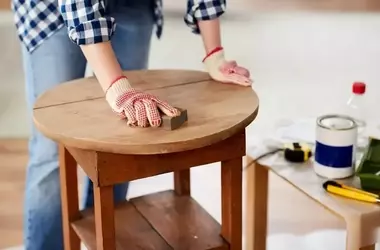
Understanding Furniture Repair: A Comprehensive Overview
Furniture repair encompasses the techniques, knowledge, and skills necessary to restore, maintain, or enhance the functionality and aesthetics of furniture items. This article explores the fundamental concepts behind furniture repair, examines the mechanisms and methods employed in the field, provides an objective overview of practices and trends, and discusses potential future directions. A question-and-answer section at the end addresses common inquiries to clarify key aspects of furniture repair.
 By Malik Roberts
 Feb 05, 2026
Dating and Matchmaking Services: A Scientific Overview of Structure
Dating and matchmaking services refer to structured platforms and professional processes designed to facilitate interpersonal introductions and potential romantic connections. This article provides a neutral, educational overview of these services, explaining their objectives, foundational concepts, mechanisms of operation, and societal context. The discussion follows a structured framework: defining objectives, explaining basic concepts, analyzing core mechanisms in depth, presenting a comprehensive and objective discussion, summarizing key findings and future outlook, and concluding with a factual question-and-answer section. The content is strictly informational, intended solely for knowledge dissemination without recommendation, inducement, or evaluative statements.
 By Camila Rios
 Feb 05, 2026
Massage Services: A Scientific Overview of Principles, Mechanisms, and Applications
Massage services refer to structured manual interventions aimed at manipulating soft tissues of the body to influence physical and mental states. This article provides a neutral, informational overview of massage services, detailing their objectives, fundamental concepts, underlying mechanisms, and practical applications. The discussion follows a structured framework: defining objectives, explaining basic concepts, analyzing core mechanisms in depth, presenting a comprehensive and objective discussion, summarizing findings and future outlook, and concluding with a factual question-and-answer section. The content is strictly educational, intended for knowledge dissemination without recommendation, inducement, or evaluative statements.
By Camila Rios