Home Services
Understanding the Ecosystem of Elderly Care: Systems, Models, and Global Standards

Elderly care, also known as aged care or senior care, refers to the specialized fulfillment of the unique requirements and services needed by older individuals. This multifaceted field encompasses assisted living, elder daycare, long-term care, nursing care, and home care. This article provides a neutral overview of the global elderly care landscape, addressing how care systems are structured, the mechanisms that drive them, and the demographic shifts influencing the sector today.
I. Defining the Scope and Objectives
The primary objective of this article is to provide a technical and objective exploration of the elderly care infrastructure. It seeks to answer three fundamental questions:
- What are the foundational models of care delivery?
- How do different international systems regulate and finance these services?
- What are the emerging trends in gerontechnology and aging-in-place?
- By examining these areas, we can understand how societies organize resources to support a growing demographic of individuals over the age of 65.
II. Foundational Concepts of Elderly Care
Elderly care is categorized based on the level of intensity and the environment in which the care is provided. These categories are non-hierarchical and depend entirely on the functional status of the individual.
- Activities of Daily Living (ADLs): These are the basic tasks required for self-care, such as eating, bathing, dressing, and mobility.
- Instrumental Activities of Daily Living (IADLs): These involve more complex tasks necessary for independent living, including managing finances, shopping, and medication management.
- Formal vs. Informal Care: Informal care is provided by family members or social networks without financial compensation. Formal care is delivered by trained professionals within a regulated legal framework.
III. Core Mechanisms and Service Models
The mechanisms of elderly care delivery are typically divided into three primary models. Each model operates under specific regulatory standards to ensure safety and quality of life.
1. Residential Long-Term Care (Institutional)
This includes nursing homes and skilled nursing facilities. These institutions provide 24-hour supervision and medical assistance. They are characterized by a high ratio of healthcare professionals to residents.
2. Community-Based and Home Care
This model focuses on "aging in place," allowing individuals to remain in their private residences. Services include home health aides, meal delivery, and physical therapy. This model is often prioritized by policymakers to reduce the strain on hospital infrastructures.
3. Assisted Living and Extra Care Housing
A hybrid model that offers a combination of housing, personalized support services, and healthcare. It is designed for those who require assistance with IADLs but do not require the intensive medical intervention found in nursing facilities.
IV. Global Perspectives and Objective Discussion
Different nations have developed distinct financing and regulatory structures for elderly care. These systems are often categorized by their funding sources:
| System Type | Description | Representative Examples |
| Social Insurance | Funded through mandatory payroll contributions. | Germany, Japan, South Korea |
| Tax-Funded | Financed through general taxation; universal access. | Sweden, Denmark, Norway |
| Means-Tested | Public funding provided only to those below certain income thresholds. | United States (Medicaid), United Kingdom Demographic Pressure: The United Nations Department of Economic and Social Affairs reports that the number of persons aged 65 or over is projected to double by 2050. This shift necessitates a re-evaluation of caregiver-to-recipient ratios and the economic sustainability of pension-linked care funds. Source: UN World Population Ageing The Role of Gerontechnology: Technological integration, such as remote monitoring sensors and telehealth, is becoming a standard component of modern care. These tools aim to increase the efficiency of data collection regarding a person's vital signs and movement patterns without intrusive physical presence. |
V. Summary and Future Outlook
The field of elderly care is evolving from a reactive medical model to a proactive, holistic framework. The focus is increasingly on "functional age" rather than "chronological age."
Looking forward, the sector faces several structural challenges:
- Workforce Capacity: The global shortage of trained geriatric specialists.
- Financial Sustainability: Balancing the rising costs of medical technology with public budget constraints.
- Standardization: Developing international benchmarks for quality of care in home-based settings.
As the global population continues to age, the integration of social services and healthcare systems will likely become the primary focus of public policy.
VI. Question and Answer Session
Q: What is the difference between palliative care and standard elderly care?
A: Standard elderly care focuses on daily functioning and quality of life across the aging process. Palliative care is a specialized medical approach focused on providing relief from the symptoms and stress of a serious illness, regardless of the person's age or life stage.
Q: How is the quality of care measured in residential facilities?
A: Quality is typically measured through standardized clinical indicators, such as the prevalence of pressure ulcers, fall rates, and medication errors. National regulatory bodies conduct periodic inspections to ensure compliance with health and safety codes.
Q: What role does environment play in senior care?
A: Environmental design, such as "dementia-friendly" layouts (using color coding and clear signage), is an objective factor in reducing cognitive load and physical accidents for seniors with sensory impairments.

Tech industry headhunter and recruitment consultant connecting top talent with leading startups and FAANG companies.
Exploration ArchivesOther Articles
 Dec 24, 2025
An Overview of Professional Plumbing Services: Systems, Infrastructure, and Technical Maintenance
Plumbing services encompass the professional installation, maintenance, and repair of systems used for water distribution and waste removal in residential, commercial, and industrial environments. These services are essential for maintaining public health, ensuring the structural integrity of buildings, and managing natural resources efficiently. This article explores the technical foundations of plumbing, the mechanisms governing fluid dynamics within a structure, and the evolving standards that define the industry. It aims to answer three primary questions: What constitutes a modern plumbing system? How do supply and waste mechanisms function in tandem? And what are the contemporary challenges facing water infrastructure?
 By Deepa Sharma
 Dec 24, 2025
A Comprehensive Overview of Pet Sitting: Definitions, Mechanisms, and Industry Frameworks
This article provides a detailed examination of pet sitting as a professional and community-based service. It defines the core parameters of the practice, explores the operational mechanisms behind various service models, and discusses the socio-economic factors influencing the industry. By the end of this overview, readers will understand the logistical structures, legal considerations, and global trends that define modern pet care.
 By Ananya Desai
 Dec 24, 2025
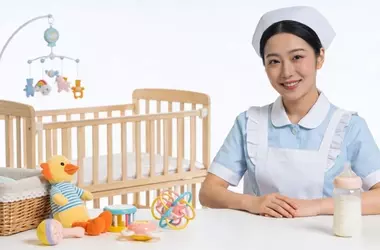
An Overview of Babysitting: Definitions, Practices, and Global Frameworks
This article provides a comprehensive examination ofbabysitting, a specialized form of childcare characterized by its temporary and often flexible nature. It aims to define the scope of the role, analyze the underlying mechanisms of child supervision, and discuss the socioeconomic factors influencing this global practice. By exploring the standards and expectations associated with the field, this text answers questions regarding the distinctions between various childcare roles, the typical responsibilities involved, and the regulatory landscapes across different regions.
 By Jenny Li