Beauty Services
Spa and Massage Services: Definition, Techniques, and Health Considerations

1. Objective
The objective of this article is to provide a neutral and informative explanation of spa and massage services. It addresses key questions: What constitutes spa and massage services? What are the foundational principles and techniques involved? How do these services impact physiological and psychological well-being? What are professional, safety, and regulatory considerations? The discussion moves from basic definitions to mechanisms, applications, and comprehensive evaluation.
2. Basic Concept Explanation
Spa and massage services refer to structured professional procedures designed to promote physical and mental wellness through touch, relaxation, and therapeutic interventions. Core elements include:
- Massage Techniques: Manipulation of muscles and soft tissues to relieve tension and promote circulation
- Spa Treatments: Includes hydrotherapy, aromatherapy, body wraps, and skincare treatments
- Wellness Focus: Emphasis on stress reduction, relaxation, and overall well-being
- Safety and Professional Standards: Maintaining hygiene, understanding contraindications, and adhering to ethical practice
The goal of these services is to provide relaxation, comfort, and supportive care in professional settings while prioritizing client safety.
3. Core Mechanisms and In-Depth Explanation
3.1 Physiological Principles
Massage and spa interventions operate through physiological mechanisms:
- Muscle Relaxation: Manipulation of soft tissue reduces tension and may enhance mobility
- Circulation Improvement: Massage and hydrotherapy can stimulate blood and lymphatic flow
- Nervous System Modulation: Relaxation techniques may decrease sympathetic nervous system activity, promoting stress reduction
- Skin and Tissue Effects: Topical applications and manipulation support skin hydration and local tissue health
3.2 Techniques and Modalities
Common techniques and spa interventions include:
- Swedish Massage: Long, gliding strokes to enhance relaxation
- Deep Tissue Massage: Targeted pressure to release chronic tension in muscles and fascia
- Aromatherapy: Use of essential oils to support relaxation and mood modulation
- Hydrotherapy: Application of water at varying temperatures to stimulate circulation or relieve discomfort
- Body Treatments: Exfoliation, wraps, and moisturization for skin health and sensory experience
Each technique involves specific procedures, duration, and intensity considerations.
3.3 Safety Mechanisms
Professional practice emphasizes:
- Screening for contraindications such as cardiovascular conditions, skin disorders, or musculoskeletal injuries
- Maintaining sanitation of equipment, linens, and oils
- Adherence to local regulations and licensing standards
- Continuous monitoring of client comfort and response
These mechanisms ensure safety and minimize risk of adverse effects.
4. Comprehensive Overview and Objective Discussion
4.1 Industry Applications
Spa and massage services are delivered across professional settings:
- Wellness and spa centers
- Health and rehabilitation clinics
- Hospitality and resort services
- Mobile or in-home services
Services are accessed by clients for relaxation, stress management, and supportive physical care.
4.2 Variability in Practice
Services vary based on:
- Client needs, health status, and preferences
- Type and intensity of techniques used
- Duration and combination of interventions
- Professional expertise and training of practitioners
4.3 Training and Professional Standards
Practitioners undergo formal training that covers:
- Anatomy, physiology, and contraindications
- Practical skills in massage and spa treatments
- Hygiene, safety, and ethical considerations
- Regulatory and licensing compliance
These programs are essential to ensure quality and safe service delivery.
4.4 Limitations and Considerations
While spa and massage services provide relaxation and supportive care, limitations exist:
- Not all conditions respond to massage or spa interventions
- Overuse or incorrect technique may cause discomfort or injury
- Individual variability in physiological and psychological response
Professional assessment and adherence to safety standards help mitigate risks.
5. Summary and Outlook
Spa and massage services are professional interventions designed to support physical and mental wellness. They integrate physiological understanding, therapeutic techniques, and safety practices. Applications span wellness centers, healthcare, and hospitality settings. Training, safety protocols, and professional standards are central to service delivery. Advancements in evidence-based practices, integrative wellness approaches, and technology-assisted interventions continue to influence the field.
6. Q&A Section
Q1: What is the purpose of spa and massage services?
To support relaxation, reduce stress, and provide therapeutic or wellness benefits.
Q2: What physiological mechanisms are involved?
Muscle relaxation, circulation enhancement, nervous system modulation, and skin and tissue effects.
Q3: How is safety ensured?
Through client screening, hygiene protocols, adherence to professional standards, and monitoring during sessions.
Q4: Are there different types of massage and spa techniques?
Yes, techniques include Swedish and deep tissue massage, aromatherapy, hydrotherapy, and body treatments.
Q5: What training do practitioners require?
Formal training in anatomy, physiology, techniques, hygiene, safety, and regulatory compliance.
Sources
https://www.amtamassage.org/find-a-school
https://www.ncbi.nlm.nih.gov/pmc/articles/PMC5436700/
https://www.cdc.gov/massage/index.html
https://www.nasm.org/continuing-education/massage-therapy
https://www.who.int/health-topics/traditional-complementary-and-integrative-medicine

Talent agent for actors, voice-over artists, and influencers, negotiating contracts and securing auditions.
Exploration ArchivesOther Articles
 Apr 01, 2026
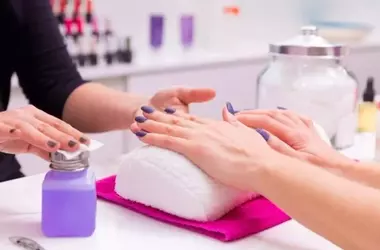
Nail Care Services: Definition, Practices, and Industry Overview
Nail care services refer to professional procedures aimed at maintaining, enhancing, and decorating fingernails and toenails. This article defines nail care services, explains their fundamental concepts, examines mechanisms of nail treatment and decoration, and discusses broader industry and health considerations. The discussion follows a structured progression: objective clarification, foundational concepts, mechanism analysis, comprehensive overview, summary and outlook, and a question-and-answer section.
 By Tariq Al-Mansoori
 Mar 30, 2026
Makeup and Styling Services: Concepts, Practices, and Industry Overview
Makeup and styling services refer to professional interventions that involve the application of cosmetics, hair styling, and aesthetic enhancement for personal, social, or media-related purposes. This article provides a neutral overview of the field, defining the core concepts, analyzing mechanisms behind techniques, discussing service delivery, and presenting an objective view of the broader industry. The discussion concludes with a summary, outlook, and question-and-answer section.
 By Malik Roberts
 Mar 27, 2026
Financial Skincare Services: Concepts, Mechanisms, and Industry Overview
Financial skincare services refer to the sector of professional skin care provision where financial considerations such as service cost, payment models, and business management intersect with dermatological and cosmetic treatments. This article examines the concept of financial skincare services, explains foundational elements of the industry, explores operational mechanisms, and provides a neutral overview of its scope and context. The discussion follows a structured sequence: objective clarification, basic concept analysis, core mechanisms, comprehensive discussion, summary and outlook, and a question-and-answer section.
 By Camila Rios