Beauty Services
Skin Management Services — Structure, Functional Principles, and Systemic Perspectives

Objective Clarification
The objective of this article is to provide a structured and neutral explanation of skin management services as a concept within dermatology and skin physiology. It aims to clarify what constitutes skin function, how skin condition is assessed, and what biological processes influence changes in skin properties. Key questions include how the skin operates as a barrier, how cellular turnover occurs, and how internal and external variables interact with skin systems.
Basic Concept Analysis
Skin management services refer broadly to organized approaches that involve observation, analysis, and maintenance of skin condition. The skin is the largest organ of the human body and plays critical roles in protection, thermoregulation, immune defense, and sensory perception.
The skin is composed of three primary layers:
- Epidermis — the outermost layer responsible for barrier protection
- Dermis — the middle layer containing connective tissue, blood vessels, and structural proteins
- Subcutaneous tissue — the deeper layer composed mainly of fat and connective tissue
Within the epidermis, keratinocytes undergo continuous differentiation and migration, forming the stratum corneum, which serves as the primary protective barrier. Other cells, such as melanocytes and immune cells, contribute to pigmentation and defense mechanisms.
Skin management involves analyzing these structural and functional characteristics to understand variations in hydration, elasticity, and overall condition.
Core Mechanisms and Scientific Explanation
1. Barrier Function and Water Regulation
The stratum corneum functions as a barrier that regulates water loss and protects against environmental factors. It consists of corneocytes embedded in a lipid matrix, forming a structure that limits transepidermal water loss (TEWL).
Disruptions in this barrier can lead to increased TEWL, indicating reduced skin integrity. Measurement of TEWL is commonly used in research to assess barrier function.
2. Cellular Turnover and Renewal
Skin renewal occurs through the proliferation of basal keratinocytes and their differentiation as they migrate toward the surface. This process ensures replacement of damaged or aged cells.
The rate of turnover varies depending on age, environmental exposure, and physiological conditions. Alterations in this process can influence skin texture and appearance.
3. Sebum Production and Surface Balance
Sebaceous glands produce sebum, which contributes to lubrication and maintenance of the skin surface. Sebum interacts with sweat and microbial populations to form a dynamic surface environment.
The balance of this system influences hydration levels and microbial diversity, both of which are relevant to overall skin condition.
4. Pigmentation and Photobiology
Melanin production by melanocytes provides pigmentation and contributes to protection against ultraviolet radiation. The regulation of melanin involves complex signaling pathways influenced by genetic and environmental factors.
Exposure to ultraviolet radiation can induce changes in pigmentation and structural components of the skin.
5. Immune and Inflammatory Responses
The skin contains immune cells that detect and respond to external agents. These responses involve signaling pathways that regulate inflammation and repair processes.
Chronic or repeated activation of these pathways may influence long-term skin characteristics.
Comprehensive Perspective and Objective Discussion
Skin management services operate within a broader context that includes environmental, biological, and social factors. Environmental influences such as ultraviolet exposure, pollution, and climate conditions can affect skin structure and function.
Research indicates that skin properties vary significantly across individuals due to genetic differences, lifestyle factors, and environmental exposure. Additionally, the relationship between observed skin characteristics and underlying biological processes is complex and not always directly correlated.
Limitations in the field include variability in measurement techniques, differences in interpretation of skin condition, and challenges in isolating specific causal factors. The skin’s interaction with systemic health further complicates analysis.
Technological developments, including imaging systems and biochemical analysis, have enhanced the ability to study skin properties. However, these tools also highlight the complexity of skin as a dynamic organ influenced by multiple interacting systems.
Conclusion and Outlook
Skin management services, when viewed scientifically, involve understanding the structure and function of the skin as a complex biological system. Processes such as barrier maintenance, cellular turnover, sebum regulation, pigmentation, and immune activity contribute to overall skin condition.
Future research may provide more detailed insights into the interactions between skin biology and environmental factors. Advances in molecular biology and bioengineering are expected to expand the understanding of skin systems and their variability.
Q&A Section
Q1: What are skin management services in scientific terms?
They refer to structured approaches for observing and analyzing skin function and condition based on biological principles.
Q2: What is the primary role of the epidermis?
It serves as a protective barrier against environmental factors and regulates water loss.
Q3: How does the skin renew itself?
Through continuous cell turnover, where keratinocytes migrate from the basal layer to the surface.
Q4: What influences skin condition?
Factors include genetics, environmental exposure, and physiological processes.
Q5: Why is the skin considered complex?
Because it involves multiple interacting systems, including structural, immune, and biochemical components.
Sources (links only)
https://www.ncbi.nlm.nih.gov/books/NBK279255/
https://www.ncbi.nlm.nih.gov/pmc/articles/PMC4082169/
https://www.who.int/news-room/fact-sheets/detail/ultraviolet-(uv)-radiation
https://www.ncbi.nlm.nih.gov/pmc/articles/PMC6770761/
https://www.ncbi.nlm.nih.gov/books/NBK470464/

Commercial leasing agent for retail and office spaces, negotiating favorable terms for business tenants.
Exploration ArchivesOther Articles
 Apr 21, 2026
Sensitive Skin Soothing and Repair Services — A Neutral Scientific Overview
Sensitive skin soothing and repair services refer to structured skincare processes aimed at reducing skin reactivity and supporting restoration of the skin barrier. This article provides a neutral explanation of sensitive skin characteristics, underlying biological mechanisms, and the principles behind soothing and repair-oriented care. It also examines influencing factors, variability in outcomes, and limitations, followed by a question-and-answer section.
 By Malik Roberts
 Apr 21, 2026
Facial Cleansing and Hydration Care Services — A Neutral Scientific Overview
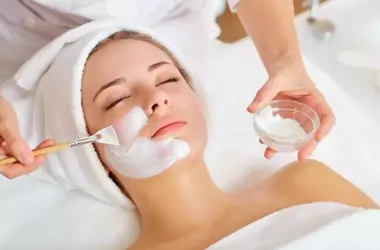
Facial cleansing and hydration care services refer to structured skincare procedures designed to remove impurities from the skin surface and restore moisture balance in the epidermis. This article provides a neutral and systematic explanation of the biological basis of skin cleansing and hydration, the mechanisms involved in maintaining skin barrier function, and the procedural structure of such services. It also examines influencing factors, limitations, and variability in outcomes, followed by a question-and-answer section.
By Malik Roberts Apr 16, 2026
Laser Hair Removal Services — A Neutral Scientific Overview of Principles, Processes Abstract
Laser hair removal services refer to the use of concentrated light energy to reduce or delay hair growth. This article explains what laser hair removal is, how it works biologically and technologically, what goals it typically serves, and how it is applied in real-world service settings. It further explores limitations, safety considerations, and long-term outcomes. A structured question-and-answer section addresses common informational inquiries.
 By Jordan Lee