Home Services
Plumbing and Electrical Maintenance Services: Principles, Practices, and Technical Context

1. Goal — Clarifying the Objective
The objective of this article is to provide a factual understanding of plumbing and electrical maintenance services, including the technical principles, standard procedures, and systemic considerations involved. The focus is on informing about the mechanisms, operational approaches, and broader context, without promoting specific service providers, guaranteeing outcomes, or persuading the reader.
2. Fundamental Concepts — Basic Definitions
Plumbing maintenance refers to the inspection, repair, and upkeep of water supply systems, drainage systems, and associated fixtures to ensure proper function, hygiene, and water safety.
Electrical maintenance refers to the inspection, repair, and management of electrical systems, including wiring, circuits, distribution boards, and electrical appliances, to ensure safe operation, efficiency, and compliance with regulatory standards.
Core components of these services include:
- Routine inspection: Scheduled checks to detect early signs of wear, damage, or inefficiency.
- Repair and troubleshooting: Identifying the root causes of malfunctions and restoring normal operation.
- System optimization: Enhancing energy efficiency, water flow, and overall system reliability.
- Safety management: Applying protective measures to prevent hazards such as leaks, electrical shocks, or system failures.
- Compliance adherence: Ensuring that installations and repairs meet local building codes, safety standards, and regulations.
These services are delivered by trained professionals, often licensed or certified, using industry-standard tools, equipment, and protocols.
3. Core Mechanisms and Deeper Explanation
3.1 Plumbing Systems and Maintenance
Plumbing systems include water supply lines, drainage networks, valves, pumps, and fixtures. Key mechanisms include:
- Water supply maintenance: Ensuring proper flow and pressure, inspecting pipes for leaks or corrosion, and testing water quality.
- Drainage and wastewater management: Cleaning drains, checking sewer lines for blockages, and maintaining traps and vents to prevent contamination.
- Fixture maintenance: Inspecting and repairing taps, toilets, sinks, and other devices to prevent leaks, overflows, and functional failures.
- Preventive measures: Installing backflow preventers, sediment filters, and pressure regulators to maintain system stability and safety.
Routine plumbing maintenance prevents long-term damage, reduces water wastage, and enhances system reliability.
3.2 Electrical Systems and Maintenance
Electrical systems include power distribution networks, wiring, circuit breakers, switches, outlets, and electrical appliances. Key mechanisms include:
- Inspection and testing: Assessing wiring integrity, circuit loads, grounding, and protective devices.
- Fault diagnosis: Using tools such as multimeters and thermal cameras to detect shorts, overloads, or insulation failures.
- Repairs and replacements: Fixing faulty wiring, replacing damaged components, and ensuring continuity of circuits.
- Preventive measures: Implementing surge protection, load balancing, and routine testing to avoid hazards and equipment damage.
Electrical maintenance ensures operational reliability, reduces fire risks, and supports compliance with safety standards.
3.3 Tools and Techniques
Both plumbing and electrical maintenance rely on specialized tools and techniques:
- Plumbing tools: Pipe wrenches, augers, cameras for pipe inspection, pressure gauges, and leak detection devices.
- Electrical tools: Multimeters, insulation testers, clamp meters, circuit analyzers, and voltage detectors.
- Diagnostic techniques: Visual inspection, pressure and flow testing for plumbing, and continuity and load testing for electrical systems.
The combination of proper tools, technical knowledge, and systematic procedures enables professionals to maintain complex systems effectively.
4. Presenting the Full Picture — Infrastructure, Safety, and Regulatory Context
4.1 Infrastructure Importance
Plumbing and electrical systems are essential components of building infrastructure. Proper maintenance ensures:
- Reliable water supply and sanitation
- Continuous electrical service and energy efficiency
- Minimization of system failures and operational interruptions
- Prevention of hazards such as leaks, flooding, electrical fires, or electrocution
These systems are interdependent with other building utilities, emphasizing the need for integrated maintenance strategies.
4.2 Regulatory Standards and Compliance
Maintenance services operate within regulatory frameworks that establish safety and quality standards:
- Plumbing codes: Define material standards, installation requirements, and water quality regulations.
- Electrical codes: Define wiring standards, circuit protection, grounding, and safety requirements.
- Inspection protocols: Mandated periodic inspections ensure compliance and reduce the risk of accidents.
Compliance adherence is crucial to legal operation, safety assurance, and long-term system reliability.
4.3 Safety and Risk Management
Plumbing and electrical maintenance involves inherent risks:
- Plumbing hazards: Water leaks, contamination, pressure-related failures, or exposure to hazardous substances.
- Electrical hazards: Electrical shock, short circuits, arc flashes, or fires.
Safety measures include personal protective equipment (PPE), isolation of live circuits, pressure management, and adherence to industry-standard operating procedures.
4.4 Industry and Service Delivery
Maintenance services may be provided in residential, commercial, or industrial contexts. Service delivery can include:
- Scheduled preventive maintenance contracts
- On-demand repair services for emergencies
- Integrated facility management programs
- Technical consultation for system upgrades or efficiency optimization
Training, licensing, and adherence to technical protocols are central to effective service delivery.
4.5 Challenges and Considerations
Key challenges include:
- Aging infrastructure and materials
- Complex system integration and accessibility issues
- Rapid technological changes in electrical systems and smart building technologies
- Balancing safety, efficiency, and cost-effectiveness
Addressing these challenges requires technical expertise, ongoing professional development, and adherence to evolving codes and standards.
5. Summary and Outlook
Plumbing and electrical maintenance services are essential for the safe and efficient operation of building water and electrical systems. Core mechanisms include system inspection, fault diagnosis, repair, preventive maintenance, and compliance with regulatory standards. These services ensure reliability, reduce hazards, and contribute to infrastructure longevity.
The field continues to evolve with technological advancements, including smart meters, automated monitoring systems, and environmentally sustainable designs. Future directions may involve integrated maintenance platforms, predictive diagnostics, and enhanced training standards to improve safety, efficiency, and system resilience.
6. Question and Answer Section
Q1: What are plumbing and electrical maintenance services?
These services involve inspection, repair, and upkeep of water and electrical systems to ensure safety, functionality, and efficiency.
Q2: What are common preventive measures in plumbing?
Preventive measures include routine inspection, leak detection, pipe maintenance, and installation of pressure regulators or filters.
Q3: How is electrical maintenance conducted safely?
Electrical maintenance involves using appropriate tools, PPE, circuit isolation, load monitoring, and adherence to safety codes.
Q4: What risks are associated with these services?
Risks include water leaks, contamination, electrical shock, fire hazards, and system failure.
Q5: Why is compliance with codes important?
Compliance ensures safety, legal operation, system reliability, and reduces liability for accidents or failures.
https://www.nfpa.org/
https://www.osha.gov/electrical
https://www.plumbing.org/
https://www.nfpa.org/News-and-Research/Publications-and-media/NFPA-Journal
https://www.epa.gov/water-research
https://www.cdc.gov/niosh/topics/electrical/
https://www.energy.gov/oe/activities/technology-development/maintenance-and-reliability
https://www.buildingcodesonline.com/

Business broker facilitating the sale and acquisition of small to medium-sized enterprises (SMEs).
Exploration ArchivesOther Articles
 Mar 12, 2026
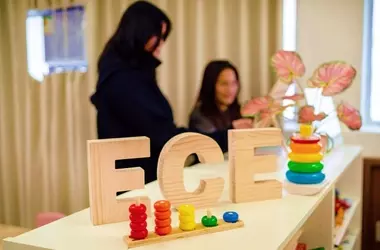
Early Childhood Education Services: Structure, Mechanisms, and Developmental Context
Early childhood education (ECE) services refer to organized programs and instructional activities designed to support the developmental needs of children from birth to around eight years old. These services encompass cognitive, social, emotional, and physical development through structured learning experiences, play-based activities, and caregiver interaction. This article provides a neutral, informational overview of early childhood education services, explaining their structure, pedagogical mechanisms, and developmental significance. The discussion follows a structured sequence: clarifying the article’s objective, explaining fundamental concepts, examining core mechanisms and instructional strategies, presenting the broader developmental and social context, summarizing insights and future perspectives, and concluding with a question-and-answer section addressing common informational queries regarding early childhood education.
 By Gregory Shaw
 Mar 12, 2026
The Complete Guide to Custom Mailer Boxes in the United States: From Concept to Creation
 By Camila Rios
 Mar 11, 2026
Postpartum Care Services: Overview, Practices, and Operational Insights
Postpartum care services, often referred to as maternity or confinement care, involve professional support provided to mothers and newborns during the period following childbirth. These services focus on physical recovery, nutritional guidance, infant care, and emotional support. This article offers a neutral, educational overview of postpartum care services, including objectives, fundamental concepts, operational mechanisms, service structures, and professional considerations. The discussion follows a systematic approach: defining the topic and objectives, explaining foundational principles, examining core practices, presenting a full overview, summarizing key insights, and concluding with a question-and-answer section addressing common informational topics.
 By Malik Roberts