Beauty Services
Makeup Services: A Scientific Overview of Techniques, Applications, and Industry Practices

This article provides a neutral and structured overview of makeup services, defined as professional services aimed at enhancing or altering facial appearance using cosmetic products. It examines the objectives, foundational principles, mechanisms of application, and broader considerations in the field. A conclusion and question-and-answer section are included to clarify key aspects.
Definition and Objective
Makeup services refer to professional applications of cosmetics and related techniques to modify or enhance a person’s facial or bodily appearance. These services encompass a wide range of practices, including basic cosmetic application, special occasion makeup, theatrical makeup, and corrective techniques designed to improve symmetry or conceal features.
The objective of this article is to address the following questions:
- What are the foundational principles of makeup application?
- How are makeup services structured professionally?
- What mechanisms underlie the effectiveness of different techniques?
- What are the broader applications, challenges, and considerations in the makeup service industry?
Fundamental Concepts
Makeup services are grounded in knowledge of facial anatomy, color theory, and material properties. Core elements include:
- Facial Anatomy and Structure: Understanding the proportions, bone structure, and muscular features that influence appearance
- Skin Care and Preparation: Ensuring the skin is clean, hydrated, and appropriately primed for cosmetic application
- Color Theory: Selecting shades and combinations that complement skin tone, eye color, and hair color
- Product Types and Formulations: Knowledge of foundations, powders, pigments, and tools used for application
Professional makeup services integrate these elements to achieve desired outcomes while maintaining hygiene and safety standards. According to the Professional Beauty Association, a foundational understanding of anatomy and skin physiology is critical for effective cosmetic practice.
Core Mechanisms and In-Depth Explanation
Makeup application involves multiple mechanisms that affect visual perception and material performance:
- Optical Enhancement Techniques such as contouring, highlighting, and shading manipulate light and shadow to influence perceived facial shape.
- Pigment Application Different products, including powders, liquids, and creams, contain pigments that absorb or reflect light in specific ways, contributing to the final appearance.
- Surface Preparation and Fixation Proper skin preparation and use of primers, setting sprays, or powders enhance product adherence, longevity, and smoothness of application.
- Tool-Mediated Techniques Brushes, sponges, and applicators allow precise placement of cosmetic materials, optimizing coverage and blending.
- Customization and Adaptation Techniques are adjusted based on individual features, lighting conditions, and intended purpose, requiring both technical knowledge and observational skills.
Training programs in makeup services often combine theory, practical exercises, and portfolio development to provide a comprehensive skill set.
Comprehensive View and Objective Discussion
Makeup services serve multiple purposes, including aesthetic enhancement, theatrical performance, media production, and corrective or medical applications. Important considerations include:
- Safety and Hygiene: Proper sanitation of tools and products reduces risk of skin irritation or infection
- Material Properties: Understanding how different formulations behave on various skin types is critical
- Cultural and Contextual Factors: Aesthetic norms vary by region, culture, and client preference
- Professional Standards: Training, certification, and adherence to ethical guidelines ensure consistent quality
Limitations and challenges in makeup services include the variability in individual skin reactions, environmental influences on product performance, and subjective nature of aesthetic evaluation.
Conclusion and Outlook
Makeup services integrate scientific understanding of skin, color, and optical perception with artistic techniques to achieve desired visual outcomes. Training emphasizes both theoretical knowledge and practical application.
Future directions may include:
- Integration of technology such as virtual makeup simulation
- Development of sustainable and hypoallergenic cosmetic formulations
- Expansion of digital training and professional development programs
These trends indicate continued evolution in professional makeup services, emphasizing precision, adaptability, and integration of scientific principles with creative application.
Questions and Answers
1. What are makeup services?
Professional applications of cosmetics to alter or enhance facial or bodily appearance.
2. What knowledge underpins effective application?
Facial anatomy, skin physiology, color theory, and product properties.
3. How do techniques like contouring work?
By manipulating light and shadow to create visual effects of shape and dimension.
4. What safety considerations are important?
Tool sanitation, skin compatibility, and adherence to professional hygiene standards.
5. How is the field evolving?
Through digital simulation, sustainable products, and expanded training methodologies.
https://www.probeauty.org/
https://www.ncbi.nlm.nih.gov/pmc/articles/PMC6951234/
https://www.sciencedirect.com/topics/pharmacology-toxicology-and-pharmaceutical-science/cosmetics
https://www.oecd.org/education/skills-and-professional-training.html
https://www.cosmeticsinfo.org/

Management consultant focusing on operational efficiency, process improvement, and market entry strategy.
Exploration ArchivesOther Articles
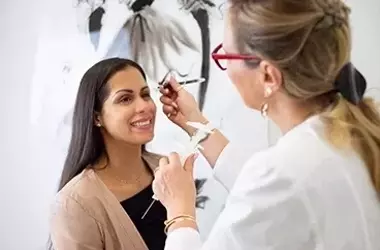 Mar 19, 2026
Tattoo and Permanent Makeup Services: Principles, Techniques, and Safety Considerations
Tattoo and permanent makeup services encompass professional procedures that apply pigments to the skin for decorative, aesthetic, or reconstructive purposes. This article provides a neutral, evidence-based overview of these services, including foundational concepts, technical mechanisms, hygiene and safety protocols, and regulatory considerations. The discussion emphasizes understanding procedures, potential risks, and professional practices without promoting or endorsing specific providers.
 By Tariq Al-Mansoori
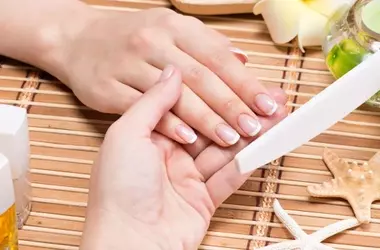 Mar 19, 2026
Nail Care Services: Principles, Techniques, and Professional Practices
Nail care services encompass professional procedures aimed at maintaining, enhancing, and cosmetically modifying fingernails and toenails. This article provides a neutral, evidence-based overview of nail care, including foundational concepts, procedural mechanisms, hygiene considerations, and occupational standards. The discussion emphasizes the structure and purpose of nail care services, mechanisms underlying nail health, and professional practices, without recommending specific services or providers.
By Tariq Al-Mansoori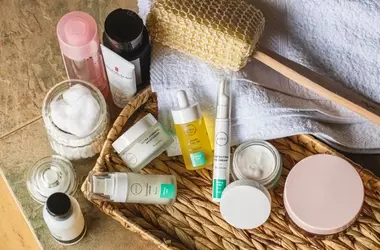 Mar 18, 2026
Skin Care — Principles, Mechanisms, and Health Implications
Skin care encompasses the practices, treatments, and products used to maintain skin health, protect against damage, and manage conditions such as dryness, acne, or sensitivity. This article defines skin care, explains the biological and physiological mechanisms involved, examines different approaches and products, and provides an objective discussion of its role in overall health. The article concludes with a summary, outlook, and a question-and-answer section addressing common inquiries about skin care.
 By Malik Roberts