Home Services
The Fundamentals and Frameworks of Housekeeping: A Comprehensive Overview

This article examines the multidimensional concept of housekeeping, encompassing its definition, operational structures, and its role within residential and commercial sectors. By exploring the systematic management of cleanliness, maintenance, and organizational order, this text seeks to answer several key questions: What are the foundational principles of housekeeping? How do professional standards differ from domestic practices? What are the core mechanisms that ensure operational efficiency? Through a neutral lens, this overview provides a factual analysis of the industry and its functional importance.
I. Defined Objectives and Scope
The primary objective of this documentation is to provide a technical and conceptual breakdown of housekeeping as a standardized discipline. Housekeeping is often misidentified solely as cleaning; however, this article clarifies its broader scope, which includes asset preservation, hygiene management, and logistical coordination. The scope extends from private residential maintenance to the rigorous standards required in hospitality, healthcare, and corporate environments.
II. Fundamental Concept Analysis
At its core, housekeeping refers to the management of duties and chores involved in the running of a household or a commercial establishment. This involves the maintenance of a clean, sanitary, safe, and pleasant environment.
1. The Dual Nature of Housekeeping
- Domestic Housekeeping: Refers to the management of a private residence. It focuses on the well-being of the inhabitants and the long-term upkeep of personal property.
- Institutional/Commercial Housekeeping: Practiced in hotels, hospitals, and offices. This form is characterized by standardized protocols, strict schedules, and a focus on public health and safety compliance.
2. Key Terminology
- Sanitization: The process of reducing the number of microorganisms to a safe level.
- Inventory Management: The tracking of linens, cleaning supplies, and guest amenities to ensure continuous operation.
- Preventative Maintenance: Identifying minor structural or mechanical issues during routine cleaning to prevent equipment failure.
III. Core Mechanisms and In-Depth Explanations
Housekeeping operates through a series of structured mechanisms designed to maximize efficiency and maintain hygiene standards.
1. Standard Operating Procedures (SOPs)
Professional housekeeping relies on SOPs to ensure consistency. These procedures dictate specific sequences for cleaning a room—typically starting from the highest point and moving downward, and from the farthest corner toward the exit—to prevent re-contamination of cleaned surfaces.
2. Chemical and Tool Utilization
The selection of cleaning agents is governed by pH levels. For example:
- Acidic Cleaners: Used for mineral deposits and scale.
- Alkaline Cleaners: Utilized for removing fats, oils, and greases.
- Neutral Cleaners: Selected for floor surfaces to prevent damage to finishes.
3. The Role of Ergonomics and Safety
Modern housekeeping incorporates ergonomic practices to protect the physical health of practitioners. This includes the use of long-handled tools to reduce bending and specific lifting techniques for heavy linens. Safety protocols also mandate the use of Personal Protective Equipment (PPE) when handling chemicals or waste.
4. Environmental Impact and Sustainability
The industry has increasingly adopted "Green Housekeeping" practices. This involves the use of biodegradable chemicals, microfiber technology to reduce water consumption, and energy-efficient waste management systems.
IV. Comprehensive Overview and Objective Discussion
When viewing housekeeping in its entirety, it serves as a critical infrastructure component for public health and economic stability.
1. Technological Integration
The integration of technology has shifted the landscape of the field.
- Automated Systems: Robotic vacuum cleaners and floor scrubbers are becoming common in large commercial spaces.
- Management Software: Digital platforms now track room status, staff productivity, and inventory levels in real-time, reducing manual errors.
2. Challenges and Variables
The effectiveness of housekeeping is subject to several variables, including the quality of training, the frequency of intervention, and the specific environmental conditions. Maintaining a balance between thoroughness and time-efficiency remains a central challenge within the discipline.
V. Summary and Future Outlook
Housekeeping is a systematic discipline essential for the preservation of health, safety, and property value. From its basic definition as a set of domestic chores, it has evolved into a sophisticated industry governed by chemistry, logistics, and technology.
Looking forward, the field is expected to see further automation and a deeper integration of "Internet of Things" (IoT) devices to monitor cleanliness levels automatically. The emphasis on high-level disinfection protocols, catalyzed by global health events, is likely to remain a permanent fixture of professional standards.
VI. Question and Answer Session
Q: How does housekeeping contribute to the lifespan of a building?
A: By removing abrasive dust and corrosive substances, housekeeping prevents the premature wear of surfaces, flooring, and upholstery. Regular inspections included in housekeeping routines also allow for the early detection of leaks or structural issues.
Q: What are the primary differences between cleaning and sanitizing?
A: Cleaning is the physical removal of dirt and impurities from surfaces using soap or detergent. Sanitizing is a chemical process that lowers the number of germs on surfaces to levels considered safe by public health standards. Housekeeping encompasses both actions.
Q: What role does ventilation play in housekeeping?
A: Ventilation is a key component of environmental maintenance. It helps in the removal of volatile organic compounds (VOCs) released by cleaning agents and prevents the accumulation of moisture, which can lead to mold growth.
Q: How is the performance of housekeeping measured in professional settings?
A: Performance is typically measured through quality control inspections, microbial testing of surfaces (swab tests), and, in hospitality contexts, through guest feedback metrics regarding cleanliness.

Talent agent for actors, voice-over artists, and influencers, negotiating contracts and securing auditions.
Exploration ArchivesOther Articles
 Dec 24, 2025
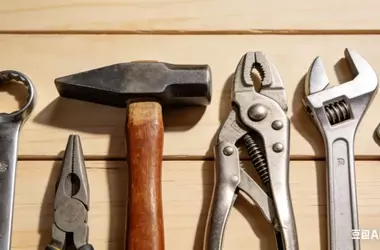
A Technical Analysis of Water Heater Maintenance and Repair
Water heater servicerefers to the professional maintenance, diagnostic evaluation, and repair of residential or commercial systems designed to heat potable water. This technical field encompasses a broad range of activities intended to sustain the operational efficiency, safety, and longevity of thermal energy transfer equipment. This article will examine the fundamental components of water heating systems, the mechanical processes involved in routine servicing, the objective indicators of system degradation, and the scientific principles governing heat exchange maintenance.
 By Enrique Vega
 Dec 22, 2025
The Science of Textile Maintenance: A Comprehensive Guide to Carpet Cleaning Mechanisms
Carpet cleaning services encompass a professional category of building maintenance and textile care focused on the removal of soil, allergens, and stains from floor coverings. These services utilize specialized equipment and chemical agents to maintain the aesthetic and hygienic integrity of synthetic and natural fibers. This article aims to provide a comprehensive overview of the industry, detailing the primary methodologies employed, the scientific principles of soil suspension, and an objective analysis of the various techniques available to consumers and businesses.
 By Beatrice Croft
 Dec 22, 2025
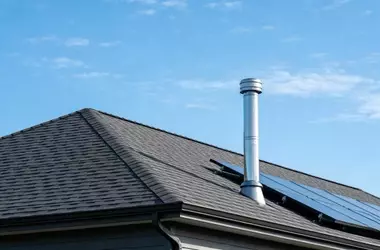
Roof Restoration: A Technical Overview of Principles and Processes
Roof restoration is a specialized architectural and engineering maintenance process designed to renew an existing roof structure without the necessity of a full replacement. Unlike minor repairs or total roof replacement, restoration involves a comprehensive sequence of cleaning, repairing, and re-coating to extend the functional lifespan of the building envelope. This article aims to clarify the technical distinctions between maintenance strategies, the physical mechanisms involved in material degradation, and the systematic stages of the restoration process.
 By Sage Mountain Flower