Home Services
Bathroom Renovation Services: Concepts, Techniques, and Practical Considerations

I. Clear Objective
The objective of this article is to explain the nature of bathroom renovation services, the technical and design mechanisms involved, and the practical contexts in which such services are applied. The discussion addresses:
- Definition and scope of bathroom renovation services
- Foundational concepts in bathroom design, construction, and maintenance
- Core mechanisms, techniques, and materials used in renovations
- Applications across residential, commercial, and institutional settings
- Emerging trends, challenges, and considerations in bathroom renovation
The content is presented in a neutral manner, without prescriptive guidance, promotional language, or guarantees regarding outcomes.
II. Basic Concept Analysis
1. Definition
Bathroom renovation services involve the structured modification, repair, or redesign of bathroom spaces to improve usability, safety, and efficiency. According to the National Kitchen & Bath Association, these services include planning, design, material selection, and installation, with consideration of plumbing, electrical systems, and building codes.
2. Scope and Context
Bathroom renovation services can include:
- Plumbing Modifications: Updating pipes, drainage, and fixtures
- Fixture Installation: Bathtubs, showers, sinks, toilets, and faucets
- Surface Renovation: Tiling, flooring, wall finishes, and waterproofing
- Lighting and Electrical Systems: Task lighting, ventilation, and safety features
- Accessibility Modifications: Handrails, walk-in showers, and anti-slip surfaces
These services apply in residential homes, commercial facilities, healthcare settings, and hospitality environments.
3. Educational Objectives
The objectives of bathroom renovation services include:
- Enhancing the functional efficiency of the bathroom
- Maintaining safety and regulatory compliance
- Improving hygiene and sanitation standards
- Supporting durability, energy efficiency, and water conservation
Technicians and designers require knowledge of materials, construction principles, plumbing and electrical systems, and safety standards.
III. Core Mechanisms and In-Depth Explanation
1. Planning and Design
Effective bathroom renovation begins with planning and design:
- Space Assessment: Measuring dimensions and evaluating current layout
- Needs Analysis: Determining functional requirements, user accessibility, and anticipated usage
- Material Selection: Choosing tiles, fixtures, and finishes suitable for durability, moisture resistance, and aesthetics
- Compliance Review: Ensuring adherence to building codes, plumbing regulations, and electrical safety standards
2. Structural and System Modifications
Renovation often involves modifying structural and utility systems:
- Plumbing Adjustments: Re-routing pipes, updating valves, and installing new drainage systems
- Electrical Work: Adding outlets, lighting fixtures, ventilation fans, and ensuring GFCI compliance
- Structural Reinforcement: Modifying flooring, walls, or ceilings to accommodate new fixtures or heavy equipment
These modifications ensure functionality, safety, and longevity of the renovated space.
3. Installation and Finishing Techniques
Key mechanisms in the installation phase include:
- Fixture Installation: Proper sealing, alignment, and secure attachment of sinks, tubs, showers, and toilets
- Surface Application: Tile laying, grouting, waterproofing membranes, and paint application
- Accessibility Features: Installing handrails, non-slip flooring, and user-friendly fixtures
- System Testing: Checking water flow, drainage efficiency, electrical safety, and ventilation performance
4. Safety and Compliance Considerations
Bathroom renovation must adhere to safety and regulatory standards:
- Proper waterproofing to prevent mold and structural damage
- Electrical safety, including circuit protection and moisture-resistant fittings
- Compliance with building codes for ventilation, drainage, and fixture placement
- Safe handling and disposal of construction debris and materials
IV. Comprehensive and Objective Discussion
1. Applications Across Contexts
Bathroom renovation services are utilized in:
- Residential Settings: Improving usability, aesthetics, and accessibility in private homes
- Commercial and Institutional Facilities: Maintaining hygiene and functionality in hotels, offices, hospitals, and schools
- Healthcare Environments: Incorporating accessible features and sanitary designs for patients and staff
- Hospitality Sector: Upgrading bathrooms to meet operational standards and guest expectations
Renovation services address both functional and aesthetic requirements while considering safety and regulatory compliance.
2. Delivery Formats
Bathroom renovation projects may be categorized as:
- Full Renovations: Comprehensive remodeling including layout changes, new plumbing, fixtures, and surfaces
- Partial Renovations: Updating select elements such as flooring, countertops, or fixtures
- Accessibility Upgrades: Modifying existing bathrooms to accommodate mobility or safety needs
- Maintenance-Focused Updates: Replacing worn or damaged components without altering layout
The choice of renovation format depends on budget, project goals, and structural constraints.
3. Limitations and Challenges
- Limited access or space constraints can complicate renovations
- Structural or plumbing issues may increase project complexity and duration
- Adherence to local building codes and regulations may require specialized expertise
- Moisture management, mold prevention, and ventilation are ongoing challenges
Emerging techniques include water-efficient fixtures, modular bathroom units, eco-friendly materials, and digital design simulations for planning purposes.
V. Summary and Outlook
Bathroom renovation services provide systematic methods to improve functionality, safety, and aesthetics of bathroom spaces. These services integrate design planning, structural modifications, plumbing and electrical updates, and surface finishing techniques.
Current trends emphasize sustainable materials, water and energy efficiency, accessibility improvements, and digital planning tools. Continued advancements aim to enhance durability, safety, and user comfort while optimizing the renovation process in residential, commercial, and institutional contexts.
VI. Question and Answer Section
Q1: What factors determine the complexity of a bathroom renovation?
Factors include space dimensions, plumbing and electrical layout, fixture selection, and regulatory compliance.
Q2: Are accessibility features commonly included in renovations?
They can be included, particularly in healthcare or residential renovations requiring mobility support.
Q3: How is water efficiency addressed in bathroom renovations?
Through the use of low-flow fixtures, dual-flush toilets, and efficient showerheads, while ensuring compliance with local standards.
Q4: Can renovations be performed in stages?
Yes. Partial updates or phased renovations allow incremental improvements without a full remodel.
Q5: What safety considerations are most critical?
Waterproofing, electrical safety, ventilation, and compliance with building codes are essential to prevent hazards.
Data Source Links
https://www.houzz.com/magazine/bathroom-remodeling
https://www.homeadvisor.com/cost/bathrooms/
https://www.energy.gov/energysaver/water-heating

Market research analyst conducting qualitative and quantitative studies to inform product development and marketing.
Exploration ArchivesOther Articles
 Feb 24, 2026
Hospice Care Services: Clinical Foundations, Care Mechanisms, and Public Health Context
Hospice care services refer to specialized healthcare and support programs designed for individuals facing life-limiting illnesses, with a focus on comfort, symptom management, and quality of life rather than curative treatment. Hospice care is typically provided when a patient is approaching the final phase of life and chooses palliative-oriented support. This article presents a neutral and systematic overview of hospice care services. It defines the concept, explains foundational medical and ethical principles, analyzes interdisciplinary care mechanisms, examines demographic and healthcare system context using authoritative data, and concludes with a summary and question-and-answer section. The discussion follows a structured sequence: objective clarification, foundational concept analysis, core mechanisms and in-depth explanation, comprehensive contextual discussion, summary and outlook, and a Q&A section. All cited statistical data originate from recognized institutions, and source links are provided at the end of the document.
 By Maya Little Feather
 Feb 24, 2026
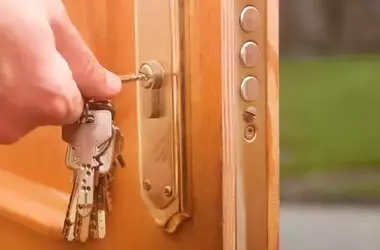
Door Lock Replacement Services: Technical Foundations, Security Mechanisms
Door lock replacement services refer to professional or technical procedures involving the removal and installation of mechanical or electronic locking systems in residential, commercial, or institutional properties. These services may be performed due to wear, security concerns, lost keys, tenancy changes, or upgrades to new technologies. This article presents a neutral and structured overview of door lock replacement services. It defines the concept, explains basic locking mechanisms, analyzes technical and security principles, examines safety and crime prevention context supported by authoritative data, and concludes with a summary and question-and-answer section. The discussion follows a clear sequence: objective clarification, foundational concept analysis, core mechanisms and in-depth explanation, comprehensive contextual discussion, summary and outlook, and a Q&A section. All cited statistical data originate from recognized institutions, and source links are provided at the end of the document.
By Maya Little Feather Feb 24, 2026